
Fahion
What Is Blush Blindness? The Makeup Trend Everyone Is Debating

Makeup trends have always moved in cycles, yet social media has accelerated the speed of beauty experimentation in a way few people expected. One month it was glazed skin, the next it became heavy underpainting, and now many beauty lovers are asking what exactly blush blindness is as ultra-pink cheeks, high-placement blush, and dramatic color draping begin dominating beauty feeds again. At the same time, conversations about blush, makeup balance, and beauty “rules” have also become far more personal, especially as people push back against the idea that every face should look soft, neutral, and barely there.
Blush blindness is essentially the point where someone becomes so used to wearing a certain amount of blush that they stop noticing how intense it has become. Similar to becoming nose-blind to a fragrance or adjusting to bright lighting in a room, the eyes adapt over time. A blush placement that once looked dramatic can suddenly appear normal after weeks of repetition, especially under ring lights, filters, and high-definition cameras that flatten makeup intensity on screen.
Of course, the conversation deserves more nuance than the internet often gives it. Not every bold blush look is a mistake. In many cases, what people now label as “blush blindness” is simply intentional makeup styling influenced by runway beauty, soft glam trends, K-beauty placement techniques, and even vintage 1980s color draping. Heavy blush has returned as part of fashion-forward beauty again, particularly during colorful seasons when makeup leans brighter, warmer, and far more expressive.
So, Is Blush Blindness Actually Real?
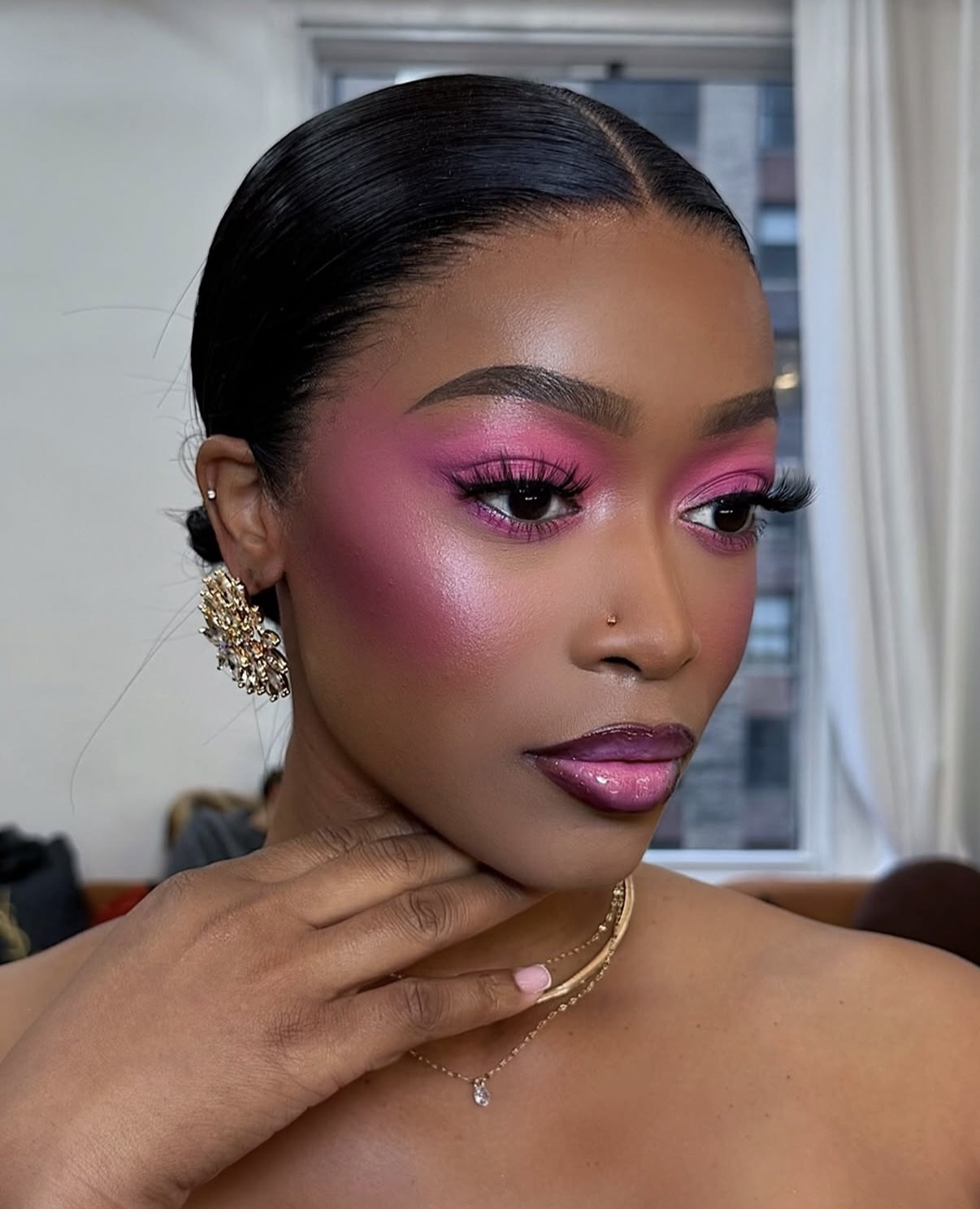
Yes, but not always in the dramatic way social media frames it. The idea itself is rooted in something very normal: visual adaptation. When a person applies makeup the same way every day, the brain becomes accustomed to the proportions, tones, and intensity. Over time, adding “just a little more” blush stops looking excessive to the wearer.
Still, the internet sometimes treats blush blindness as though every strong blush application automatically looks bad, and that is where the conversation loses balance. Makeup is artistic by nature. A diffused berry blush across the temples may look exaggerated to one person and beautifully styled to another.
The more useful discussion is not about avoiding visible blush, but about understanding proportion, lighting, placement, and context. A blush look designed for a night event, editorial shoot, or flash photography will naturally appear stronger than makeup intended for daylight errands.
Why Blush Suddenly Became So Intense
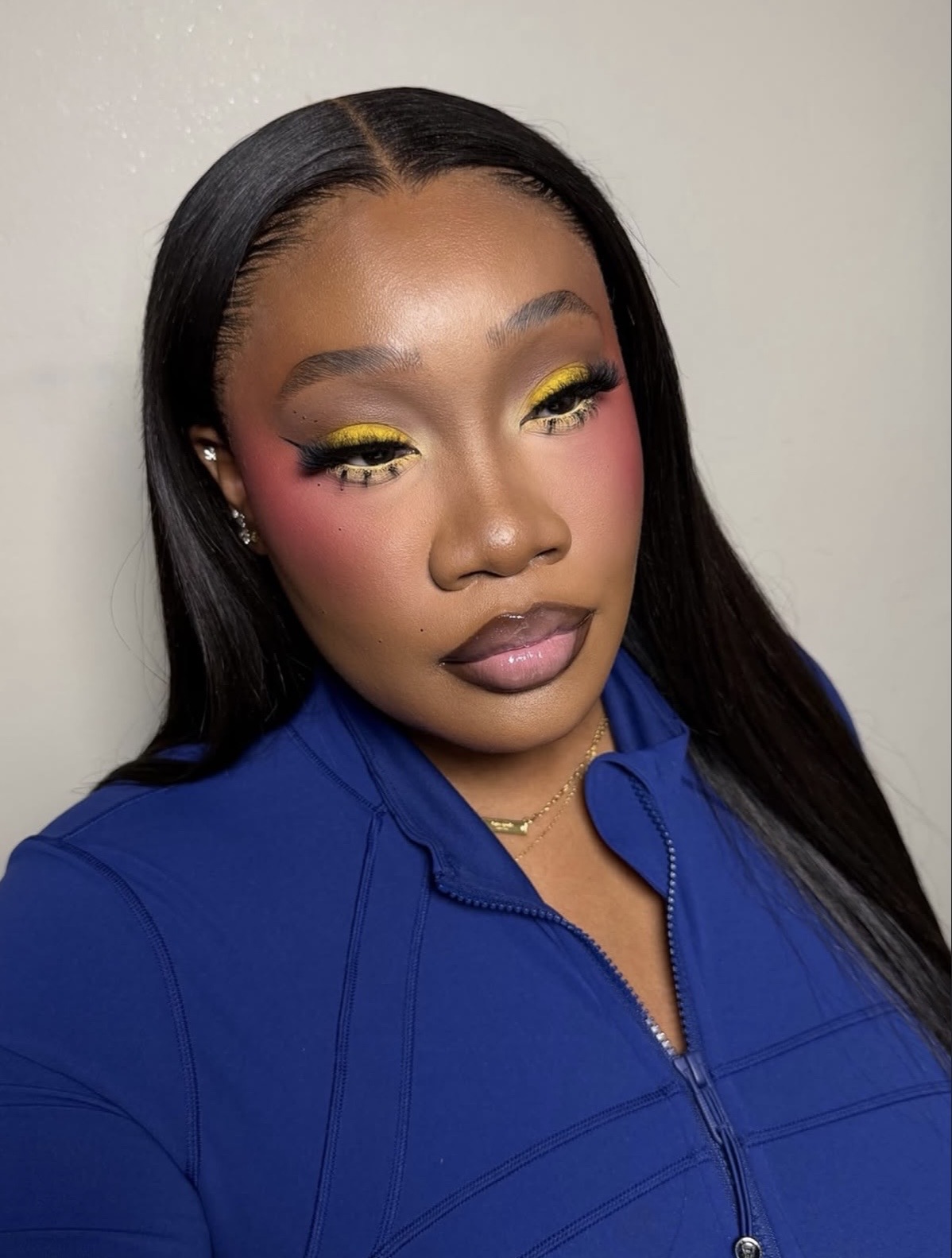
Beauty trends never stay minimal forever. After years of matte neutrals and sculpted contouring, many people started craving makeup that looked fresher, younger, and more expressive. Blush quickly became the easiest way to achieve that shift in mood.
Cream blushes also changed the game. Modern formulas melt into the skin much faster than older powder versions, which makes layering extremely tempting. One dab turns into three, then another layer gets added after setting spray, and suddenly, the cheeks become the dominant feature of the face.
Across beauty platforms, the blush blindness debate also became more noticeable once “sunburn blush,” “boyfriend blush,” and “cold girl makeup” trends exploded online. Most of those styles intentionally place color across the cheeks and nose bridge, making the line between trendy and overpowering even blurrier.
Lighting Is Subtly Affecting How People Apply Blush
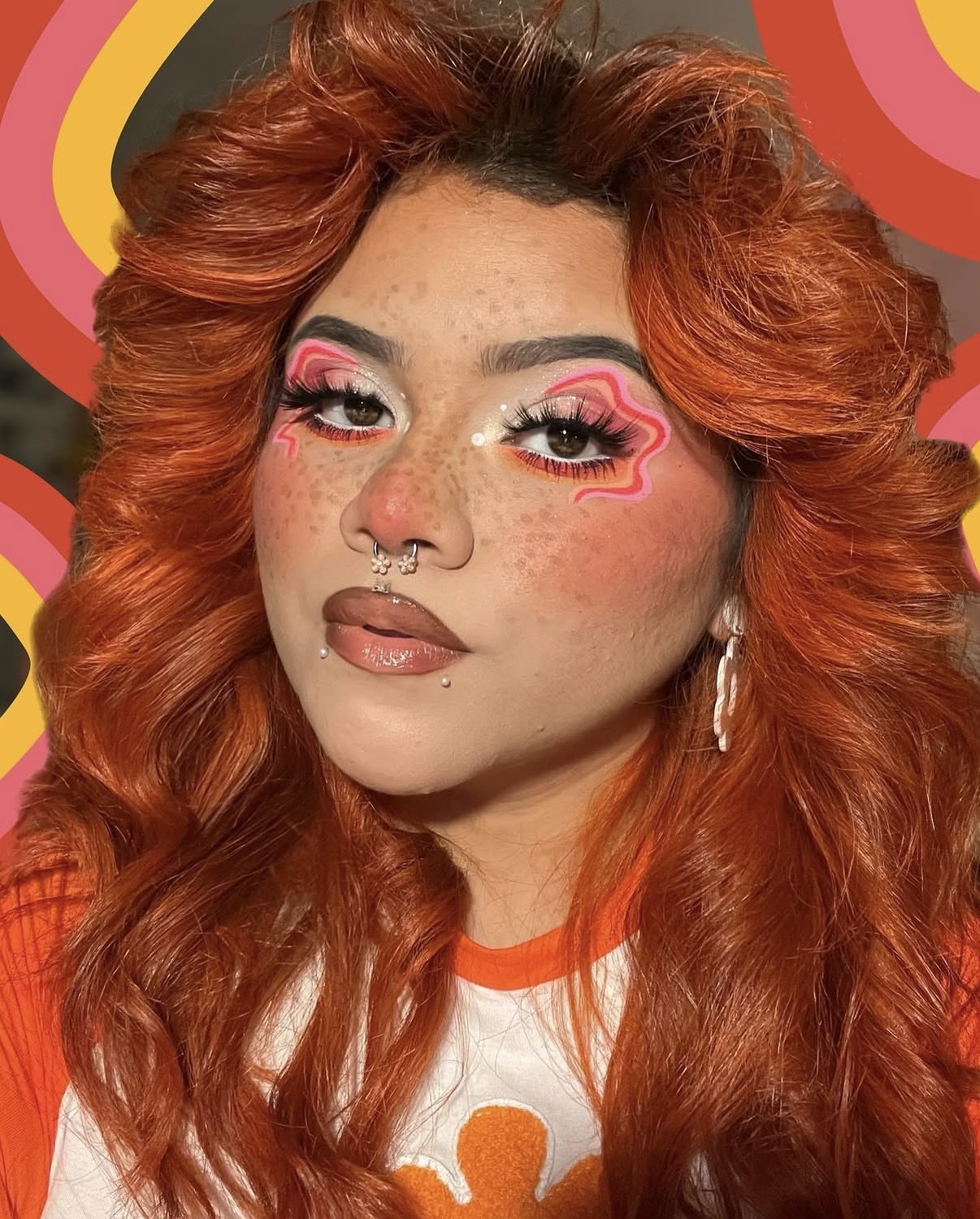
One detail many readers do not realize is how much lighting changes makeup perception. Ring lights and front-facing cameras soften facial dimensions. Makeup that appears subtle on camera can look dramatically stronger in daylight.
This explains why someone may leave the house believing their blush looks soft, only to notice later that it appears far heavier outdoors. The issue is not always application skills. Sometimes it is simply a mismatch between filming environments and real-world lighting.
This also explains why makeup artists frequently check blush near windows before finishing a look. Natural daylight exposes saturation levels far more accurately than warm indoor bulbs.
Social Media Made Blush Placement More Experimental
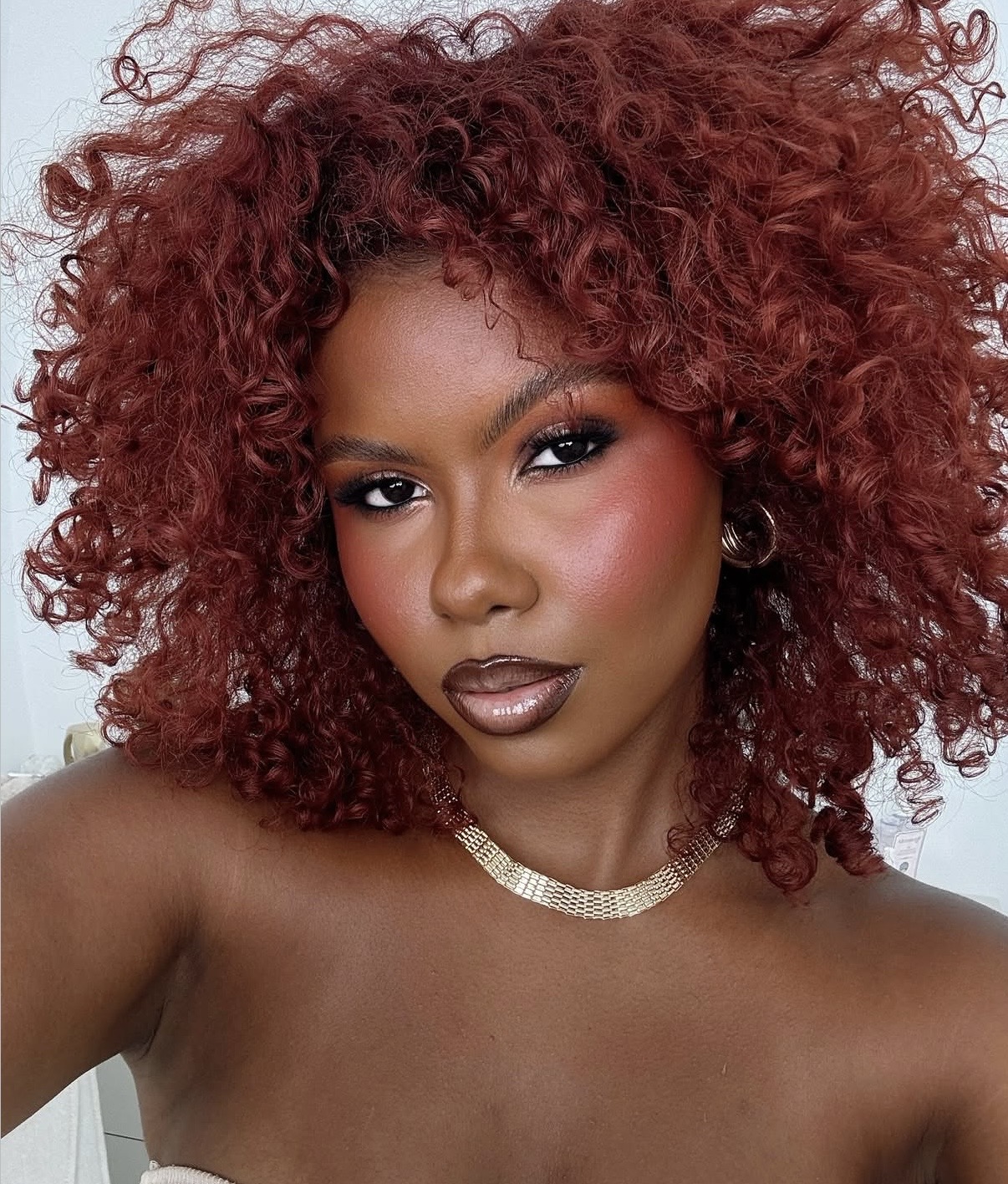
Traditional blush placement focused mainly on the apples of the cheeks. Current beauty trends place blush almost everywhere: temples, under-eyes, nose bridges, cheekbones, and even jawlines.
That experimentation created more creative makeup looks, but it also made makeup overload easier to miss. Once blush travels across larger areas of the face, intensity builds quickly.
At the same time, some of the criticism online ignores cultural and stylistic influences. In several Asian beauty trends, higher blush placement is intentional because it creates a youthful, doll-like effect. In editorial beauty campaigns, bold blush translates beautifully under studio lights.
So while discussions about blush blindness continue circulating online, not every unconventional placement automatically signals a mistake.
Signs Your Blush May Be Overpowering Your Makeup
One of the clearest signs appears when blush becomes the first and only noticeable feature on the face, overpowering the eyes, lips, and complexion entirely. Another clue is when the color turns muddy or patchy after repeated layering.
Photographs can also reveal an imbalance more honestly than mirrors. Some makeup artists recommend taking a quick picture in daylight before leaving home, especially when using highly pigmented liquid or cream formulas.
Another common sign is constant reapplication. Once someone starts adding blush every hour, the original application likely stopped looking realistic long before they realized it.
How to Wear Bold Blush Without Looking Overdone
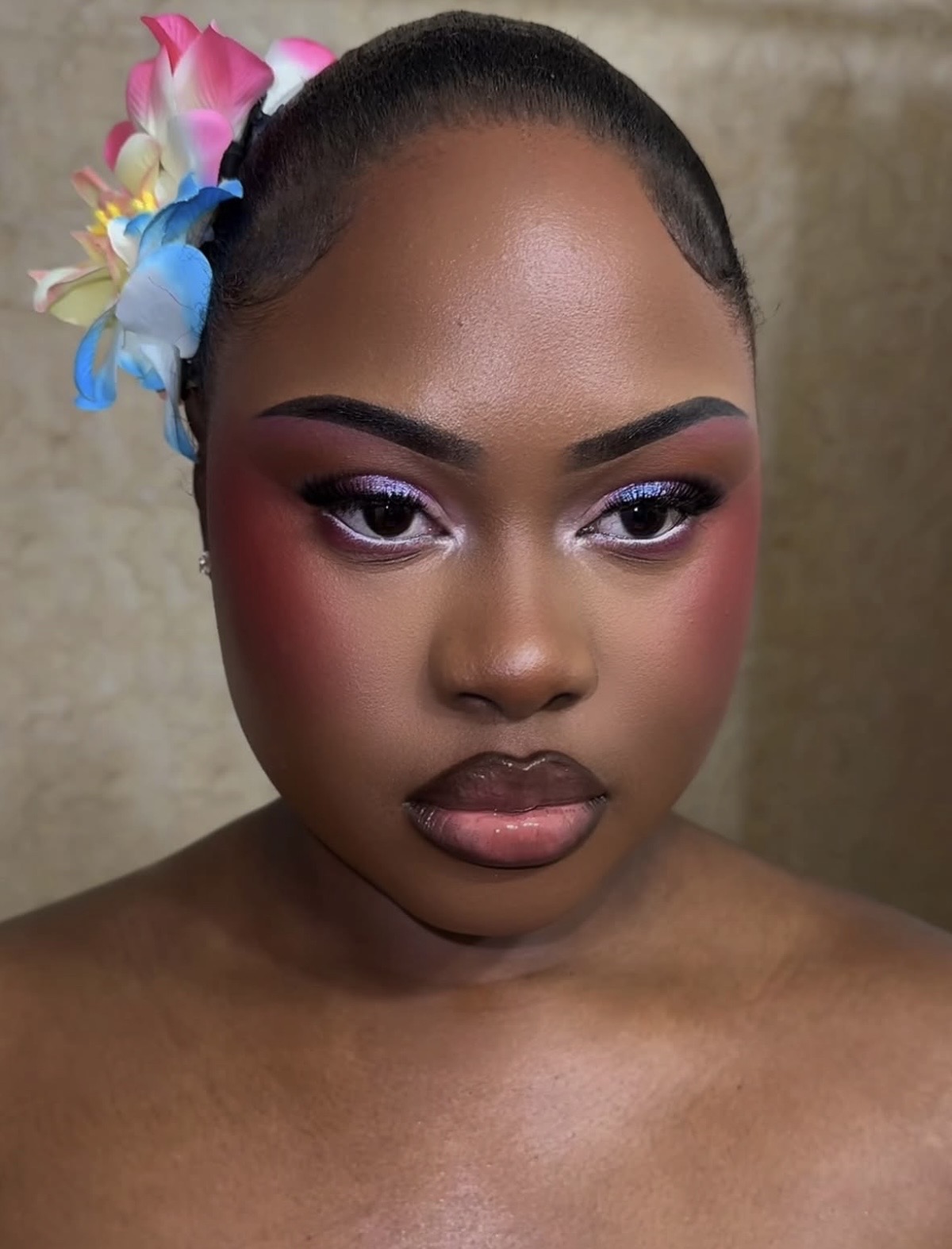
The best blush looks usually balance placement, finish, and skin texture. A bright blush can still look beautiful when the edges are blended properly, and the surrounding makeup remains intentional.
Pairing intense blush with lighter eye makeup often keeps the overall look modern and fresh. Dewy skin also helps stronger blush melt more naturally into the complexion compared to very dry matte bases.
Color choice matters too. Cool pinks can become overpowering quickly on warm undertones, while rich berry tones may look heavier in daylight if layered excessively.
Interestingly, many professional artists now apply blush before concealer. This technique softens the final appearance while helping prevent over-application.
Shop editor’s edit
The Bigger Conversation Behind Blush Blindness
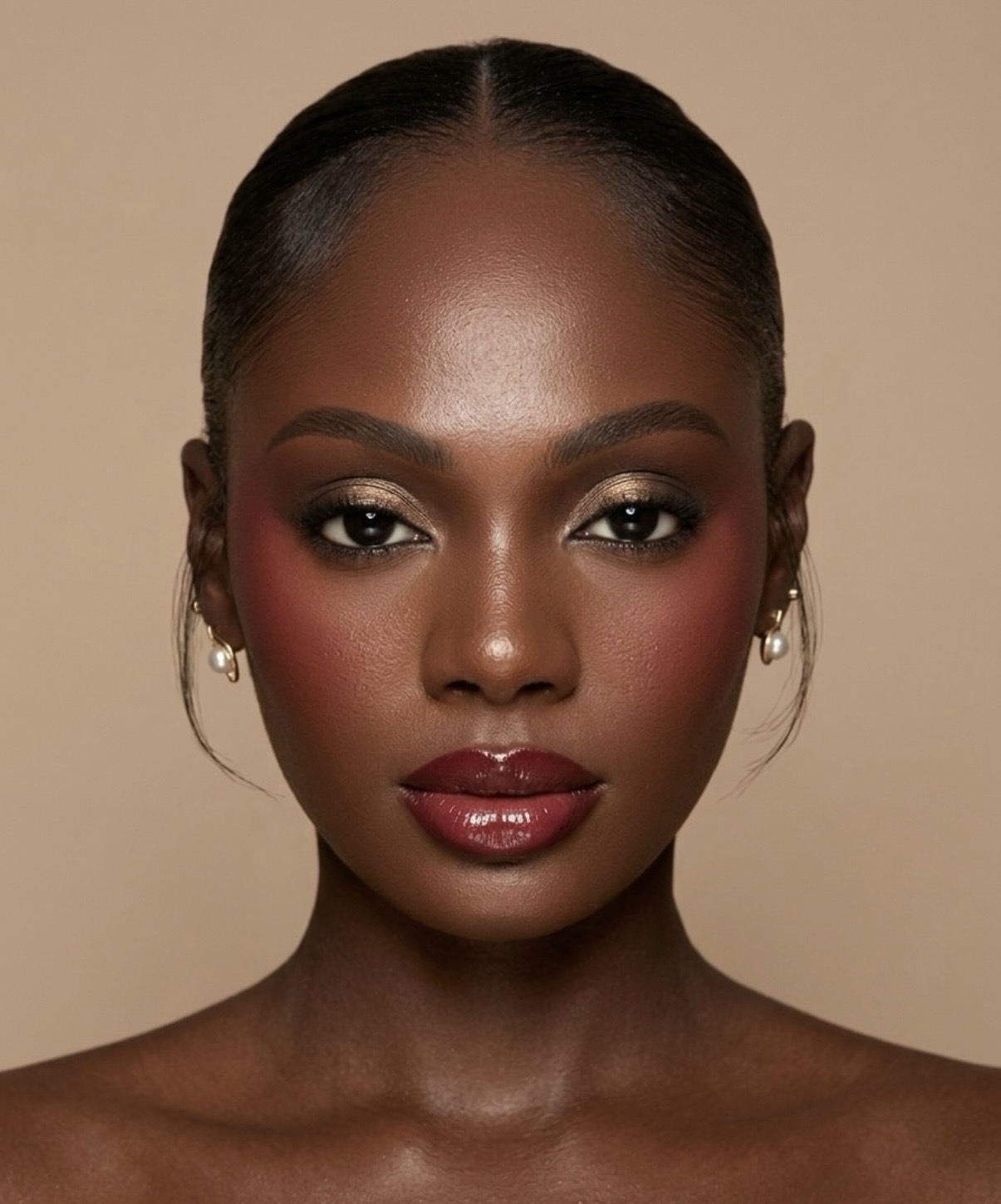
The most interesting part of the blush blindness discussion is how strongly beauty standards still shape public reactions. Dramatic contour once dominated makeup culture for years without receiving the same level of criticism that bold blush receives now.
That difference reveals how beauty trends are constantly judged through shifting aesthetics rather than fixed rules. Makeup that looks excessive today may become mainstream six months later.
The ongoing debate around blush blindness, therefore, says just as much about internet beauty culture as it does about makeup application itself. It reflects changing tastes, social media influence, and the growing tension between personal expression and online approval.
At the end of the day, blush blindness only becomes a real issue when makeup stops looking intentional to the person wearing it. Bold blush itself is not the problem. In fact, some of the most memorable beauty looks right now rely heavily on strong color placement, flushed cheeks, and playful saturation. The difference usually comes down to awareness, lighting, and knowing when the look still complements the rest of the face rather than competing with it entirely.
—Read also
The End of “Clean Girl” Beauty? Why Messier Glam Is Taking Over