
Skincare routines have long been built on guesswork, with people trying product after product in search of something that really works. That pattern is now shifting, as the use of skin analysis machines continues to grow and reshape how decisions are made at the very beginning of a routine. Instead of relying on assumptions, more consumers are turning to data-driven insights that map out what their skin actually needs.
At its core, a skin analysis machine scans the skin to identify its type, condition, and underlying concerns before recommending a care plan based on those findings. While traditional dermatology recognises five primary skin types, newer systems are expanding that framework significantly. Some machines now assess up to 40 different skin profiles using artificial intelligence trained on thousands of real scans. That shift alone signals a move away from broad categories toward something far more precise.
From General Categories to Precise Skin Mapping


For years, skincare has been grouped into simple categories such as oily, dry, combination, sensitive, and normal. While these categories still matter, they often overlook the nuances that shape how skin behaves on a daily basis. Factors like hydration levels, environmental exposure, stress, and even lifestyle habits can influence how products perform.
This is where the use of a skin analysis machine becomes particularly relevant. By capturing detailed images and data points, these devices go beyond surface-level observations. They can identify early signs of concerns such as dehydration, uneven tone, congestion, and irritation before they become more visible. As a result, product recommendations begin to feel more tailored and less like educated guesses.
What Happens During a Skin Analysis?
Most of these machines are currently found in physical retail spaces, often inside beauty stores, medispas, or dermatology clinics. The process is typically guided by a trained professional who helps interpret the results and recommend next steps.
The scan itself usually takes only a few minutes. High-resolution imaging captures the skin from multiple angles, while software analyses factors such as pore size, texture, moisture levels, pigmentation, and elasticity. From there, the system generates a detailed profile that informs product suggestions or treatment options.
Because the use of skin analysis machines is still largely tied to in-person experiences, it also adds a level of reassurance. Consumers are not left to interpret the results entirely on their own, which helps build trust in the recommendations that follow.
The Rise of Personalized Formulas

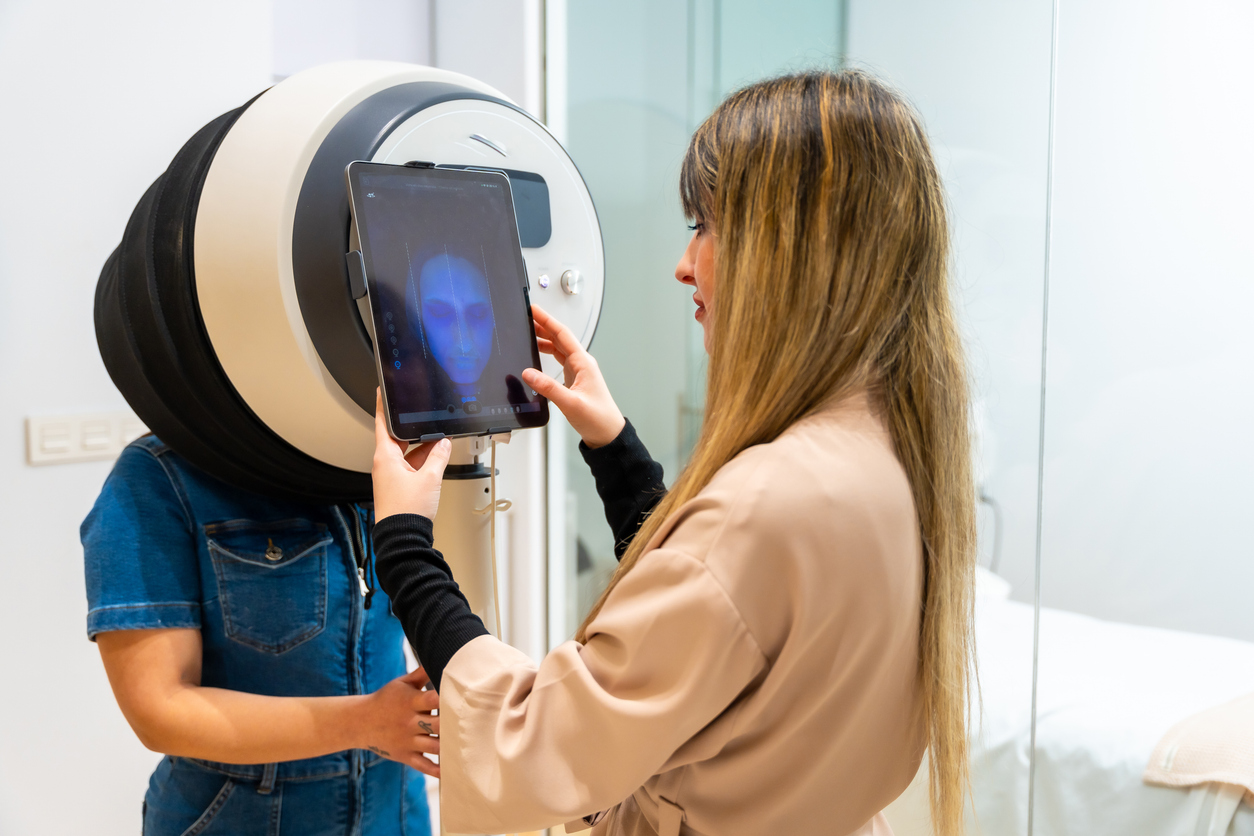
One of the most significant developments tied to these machines is the rise of customised skincare. Instead of recommending only pre-made products, some systems now create formulas tailored specifically to individual skin profiles.
Custom D.O.S.E. machines are a strong example of this shift. These systems generate personalised serums based on scan results, and studies have shown up to a 42 percent improvement in skin clarity with consistent use. That level of customization marks a clear departure from traditional one-size-fits-all skincare solutions.
As skin analysis machine use expands, this blend of diagnostics and formulation will likely become increasingly common. It reflects a broader demand for products that adapt to the user, rather than expecting the user to adapt to the product.
A Market That Is Growing Fast
The numbers behind this trend tell a clear story. The skin-analyzer market is already valued at more than $147 million, and projections suggest it could nearly triple by 2032. That growth aligns with the wider rise of personalized beauty, a sector expected to reach $62 billion by 2034.
At the same time, nearly 80 percent of skincare consumers still rely on trial and error to find products that work. That gap between expectation and reality is exactly what these machines aim to close. By reducing uncertainty, they offer a more efficient path toward results.
Beyond the Store: Digital Skin Analysis

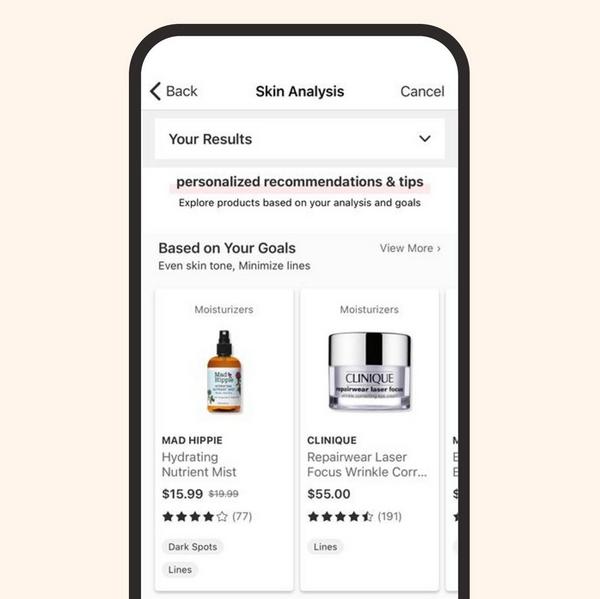
While in-store machines remain the most common option, digital alternatives are rapidly gaining ground. AI-powered skin scanners now operate through apps and online platforms, offering similar insights without requiring a physical appointment.
Some of these systems have partnered with major retailers like Ulta Beauty, making the technology more accessible to a wider audience. At the same time, skincare ingredient checkers are becoming part of the same ecosystem, helping users better understand exactly what goes into the products they choose.
Together, these tools are creating a more informed consumer base. Instead of relying solely on marketing claims, users can now cross-check recommendations with data, ingredient transparency, and personalised analysis.
What Comes Next
Skin analysis machines are part of a much larger shift toward customization in beauty. As the technology improves, the gap between diagnosis and solution will continue to narrow. Future systems may integrate even more real-time data, from climate conditions to hormonal fluctuations, creating skincare routines that adjust continuously.
Accessibility will likely improve as well. As costs decrease and digital tools become more advanced, skin analysis machine use could move beyond retail counters and become a standard part of everyday skincare routines at home.
A More Informed Approach to Skincare
The growing reliance on data does not mean intuition disappears entirely, but it does change the starting point. Instead of experimenting endlessly, users can begin with a clearer understanding of their skin’s condition.
That shift matters, especially in a market where options continue to multiply. Skin analysis machines do not replace expertise, but they do support it by offering a clearer path through what is often an overwhelming landscape.
As the beauty industry continues to evolve, the use of skin analysis machines stands out as one of the most practical developments shaping modern skincare. It brings greater clarity to decision-making, reduces unnecessary spending, and ultimately helps people build routines grounded in what their skin actually needs.
Featured image: Jacob Wackerhausen/iStock
—Read also
From K-Beauty To A-Beauty: The Skincare Shift Changing Everything