Fahion
Spotify and Universal AI Deal Will Change Music Forever

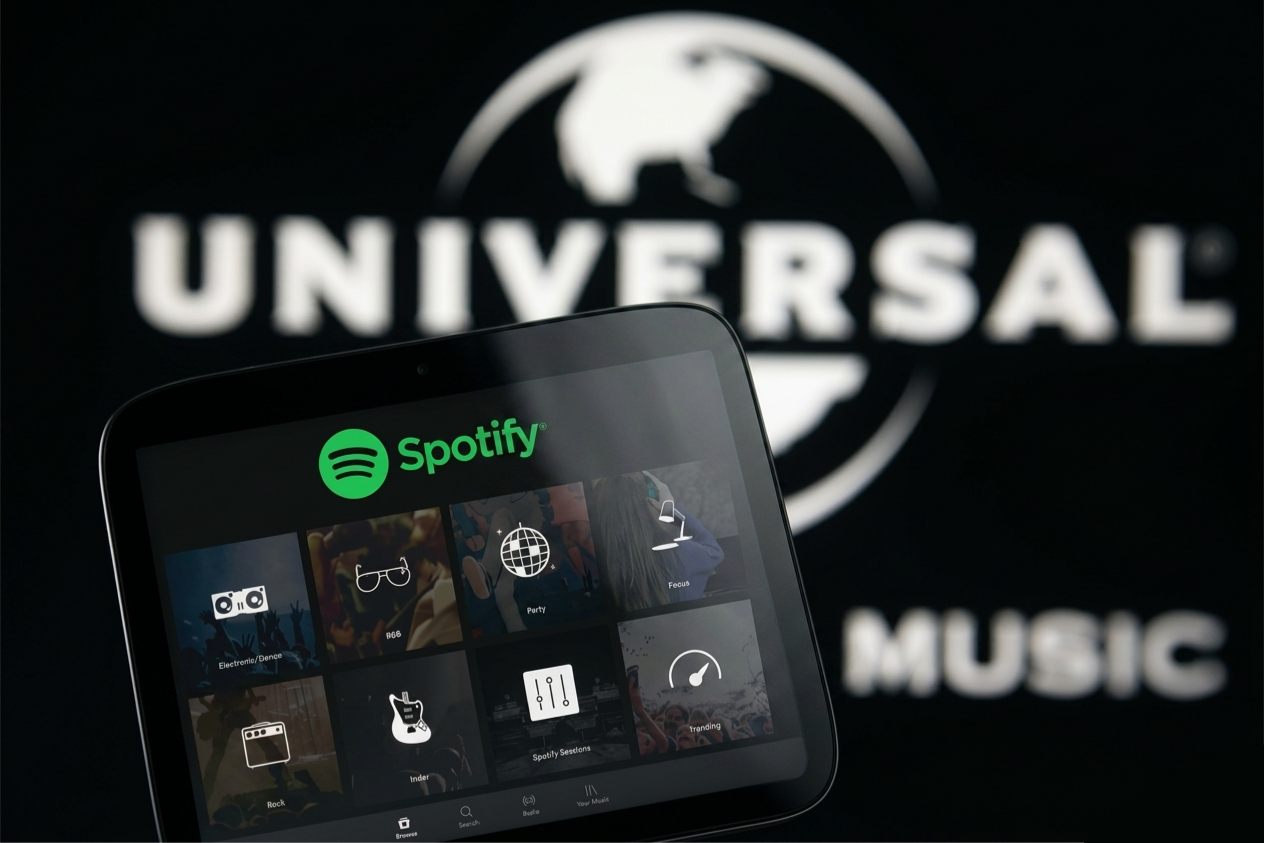
The global music landscape shifted dramatically on May 21, 2026, as Spotify and Universal Music Group (UMG) officially finalized a groundbreaking generative artificial intelligence licensing partnership. This monumental arrangement explicitly allows paying premium subscribers to create legal, AI-driven song covers and unique structural remixes from the catalog of the world’s largest music rights company.
Notably, the joint strategic initiative aims to convert casual listeners into active creators while providing distinct financial compensation for participating legacy recording artists. By directly embedding sophisticated generative tools into the core streaming interface, the companies effectively neutralize wild, unlicensed bootleg platforms.
The Mechanical Shift from Passive Listening to Active Creation

For several years, major record labels fiercely combated unauthorized digital audio clones that mimic world-renowned performers like Drake, The Weeknd, and Taylor Swift. However, executives realized that completely suppressing consumer demand for creative generative manipulation was entirely impossible. This realization led directly to the strategic, multi-year licensing framework announced during the highly anticipated 2026 Spotify Investor Day presentation.
According to official corporate statements, the newly developed framework relies firmly upon three central operational pillars. “What we’re building is grounded in consent, credit, and compensation for the artists and songwriters that take part,” stated Spotify Co-CEO Alex Norström. Crucially, the entire system functions on a strict opt-in basis for creators and catalog rightsholders.
Consequently, performers retain absolute veto power over whether their vocal identities and musical catalogs can be legally utilized. Meanwhile, those creators who actively choose to participate will tap into completely separate, highly lucrative monetization pools. The platform will structure these fresh earnings directly on top of traditional streaming royalties, which historically pay between $0.003 and $0.005 per individual stream.
Monetizing the Power of Contemporary Superfans

The commercial brilliance of the deal rests entirely upon its approach to financial asset monetization. Previously, millions of bootleg remixes on Discord or TikTok bypassed traditional music copyright tracking mechanisms. This streaming feature redirects that consumer energy back into the centralized pockets of the entertainment industry.
By consolidating creative tools inside the platform’s application, the company keeps user engagement entirely within its ecosystem while ensuring the original music creators actively profit as well. Furthermore, this closed-loop strategy ensures that intellectual property never escapes into wild, unmonetized digital spaces.
“The most valuable innovations in the music business always bring artists and fans closer together.”
—UMG Chairman and CEO Sir Lucian Grainge.
Navigating Legal Realities and Industry Friction
The timing of this agreement is crucial given the severe legal conflicts gripping Silicon Valley. Major record labels previously filed massive copyright lawsuits against independent generative startups like Suno and Udio. Those platforms allegedly scraped proprietary catalog files without permission to train consumer music generation engines.
While Udio settled its litigation to build licensed models, thousands of independent musicians remain furious. Over 1,800 indie artists are actively pursuing class-action lawsuits against unauthorized generative platforms. They argue that unregulated software directly threatens the financial livelihoods of vulnerable working-class creators.
By establishing clean, pre-arranged licensing agreements, Spotify establishes an alternative blueprint. Musicians retain the absolute right to decide if their catalogs can be altered by fans. This approach establishes a clear barrier against the unmitigated spread of low-quality, identity-stripped AI slop.
Enhancing Transparency in the Streaming Era
 The “Verified by Spotify” badge on singer-songwriter Ravyn Lenae’s profile. | Photo: Spotify
To preserve the status of human performers, Spotify launched a native AI Credits tool. The platform now permits artists to clearly label machine assistance in lyrics, vocals, or studio production. This technological integration mirrors the strict transparency tags recently implemented by rival platform Apple Music.
Furthermore, the streaming giant is debuting a light green “Verified by Spotify” profile badge. This visual indicator separates authentic human creators from synthetic persona accounts flooding modern digital playlists. To qualify for verification, artists must prove real-world activity, including live concerts and merchandise sales.
Notably, the technological transformation comes as the company sets monumental multi-year financial targets. Executives projected a compounding annual revenue growth rate in the mid-teens through 2030. They also expect corporate gross margins to climb significantly to between 35% and 40%.
Why the Music Industry Will Never Be the Same
Ultimately, this development shifts the balance of creative power between pop stars and listeners. Modern fan culture thrives entirely on active participation, personalization, and digital community remixing. By sanctioning software tools, labels are transforming passive listeners into collaborative creative partners.
However, traditional music critics express lingering anxiety regarding the long-term devaluation of human composition. Prominent pop culture producers have previously argued that algorithmic prompting diminishes the sacred artistic process. They fear that listeners may eventually prefer tailored synthetic remixes over authentic, challenging studio albums.
Consequently, the commercial music landscape has definitively entered an entirely uncharted computational era. The historical barrier separating the listener from the recording booth has evaporated into digital code. The platform that successfully controls human taste profiles will ultimately dictate the global future of art.
Featured image: Spotify
—Read Also

Source link